
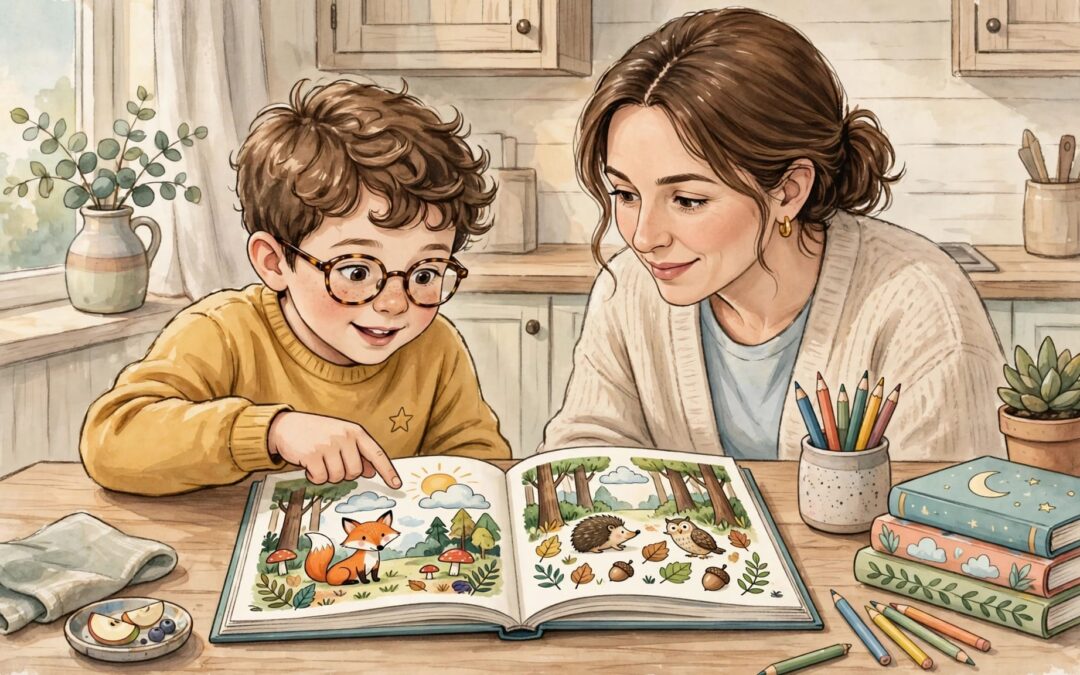
Your child reads the whole page, then can’t tell you what happened. That gap can make grade 2 reading comprehension practice feel like a guessing game for both of you.
The best place to start is a short passage and one clear question. Listen to how your child reads, talk through the text, and practice the skill that caused trouble. A few minutes of focused conversation will tell you more than a stack of completed pages.
Key Takeaways
- Choose a passage your child can read with some support, then practice reading skills one at a time.
- Ask your child to point to words or pictures that support an answer.
- Mix stories, poems, and nonfiction so your child learns to understand different kinds of text.
- Use reading comprehension worksheets to check understanding with comprehension questions after you’ve modeled a skill, not to teach an unfamiliar one independently.
First, find out what’s making reading hard
A child who struggles to answer questions may need help understanding the passage. They may also be working so hard to read the words that they lose track of the story. Listen before you choose an activity.
Notice whether the words are getting in the way
Ask your child to read a few sentences aloud. If they pause at nearly every word, guess from the first letter, or lose their place, choose an easier passage for comprehension practice. Then work on the tricky sound or spelling pattern separately.
For example, if vowel teams keep interrupting the story, revisit that pattern with Grade 2 phonics lessons. Then return to a short text and let your child use the pattern in real sentences.
You can also read the passage aloud yourself. If your child understands it when listening but struggles to read independently, reading fluency and foundational reading skills may need attention alongside comprehension.
Check understanding before adding more questions
After a paragraph, ask, “What happened so far?” or “What did you learn?” Accept a spoken answer. Writing a complete sentence adds another task and can hide what your child knows.
If the answer is unclear, try guided reading by rereading one or two sentences together. Point out a clue, then ask your child to explain it in their own words. The Common Core English language arts standards address reading, writing, and speaking as distinct skills. At home, conversation is a useful way to hear your child’s thinking.
Try grade 2 reading comprehension activities by skill
Pick one activity for the difficulty you noticed. Choose reading passages short enough that your child can remember the beginning when they reach the end.
Find the main idea with a detail sort
For nonfiction, choose short passages about a familiar topic, such as how a plant grows. These nonfiction passages give your child a chance to identify what the whole text is mostly about. Then reread two details and decide whether each supports that idea.
Use comprehension questions to check your child’s thinking. If they name a tiny detail as the main idea, say, “That’s one thing we learned. What do these sentences tell us together?” For stories, shift the question: “What is this story teaching us?” The Grade 2 literature standards include recounting stories and identifying their central message or lesson.
Make an inference from a clue
Read a scene from a story and ask how a character might feel. Your child should name a clue in the text before answering. A character who hides behind a parent when a dog barks might feel frightened, for example. The hiding is the clue.
Try the simple sentence frame, “I think ___ because the story says ___.” If several answers fit, that’s fine when your child can support theirs. This kind of reasoning practices critical thinking skills. You can also ask your child to compare and contrast how two characters respond to a similar situation.
Retell with three picture cards
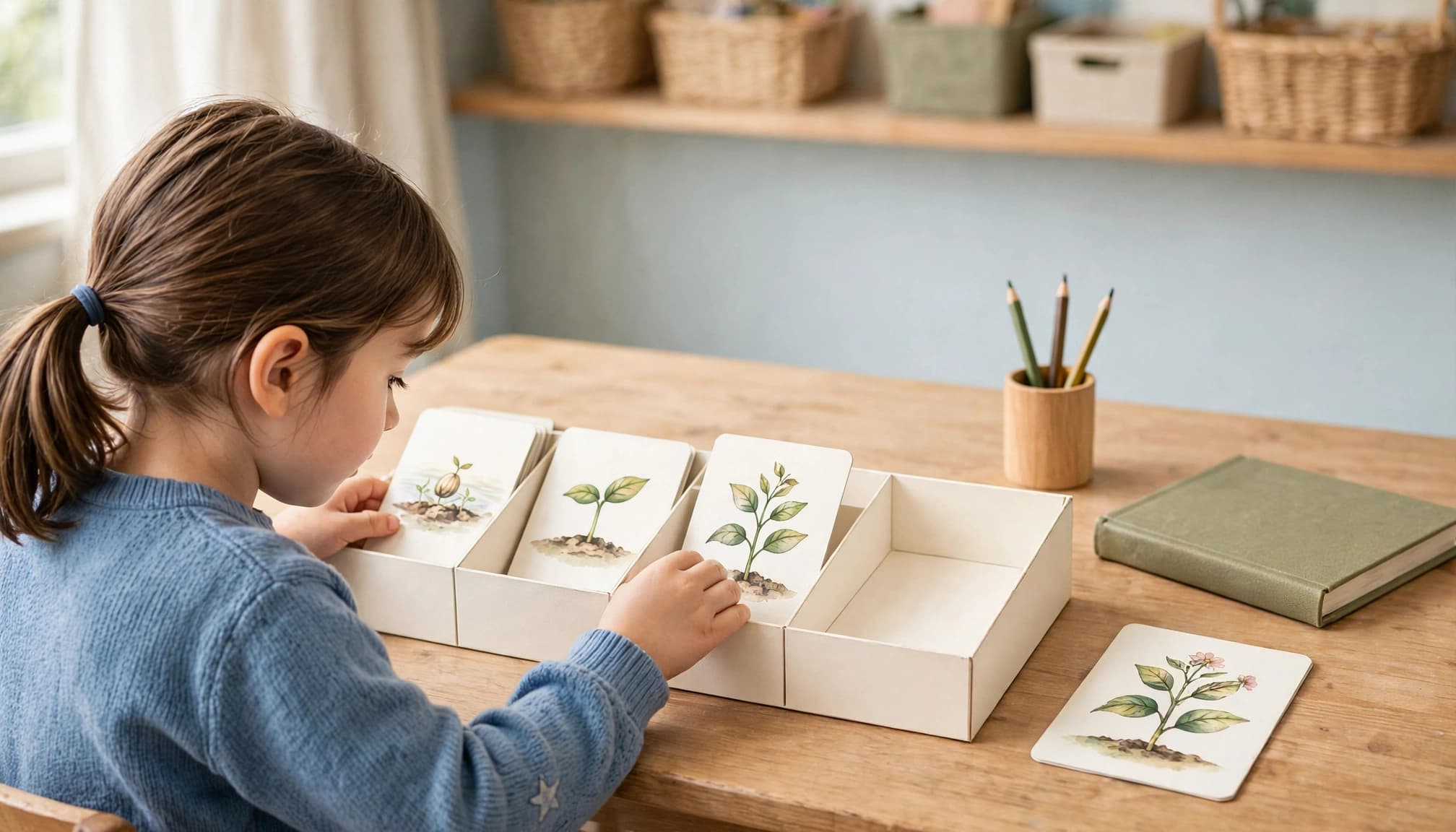
After reading, ask your child to draw or choose pictures for the beginning, middle, and end. Mix up the cards and have them put the events back in order. Then ask what changed between the first and last picture.
If a key event disappears from the retelling, open the book and find it together. You can extend this with 2cool4school’s Grade 2 reading strategies lessons, which include main idea, inference, story elements, and sequence.
Turn comprehension questions into a conversation
A page of comprehension questions can show what your child got right. Talking about how they found an answer shows where they need help.
Ask questions that send your child back to the text
Start with a detail your child can find: “Where did the character go?” Then ask a text dependent question that connects details: “Why did she go there?” Have your child return to the passage for close reading, pointing to the sentence or illustration that helped.
For nonfiction, use who, what, where, when, why, and how questions. If a passage explains an animal’s habitat, ask which detail shows how the animal finds shelter. Questions tied to the text help your child check an answer instead of relying on memory alone.
Change how your child responds
Use oral answers first when reading is already hard work. Later, invite your child to underline a clue or write one sentence. Multiple choice questions are useful too, but ask why an option fits before moving on.
A good mix of comprehension questions includes one about a stated fact and one about an idea the child must work out. Picture matching can help children who aren’t ready to write much; 2cool4school’s Grade 2 reading comprehension lessons include sentence-and-picture activities. Match the response to the skill you’re checking, rather than asking your child to decode, explain, and write all at once.
Check fluency and comprehension together
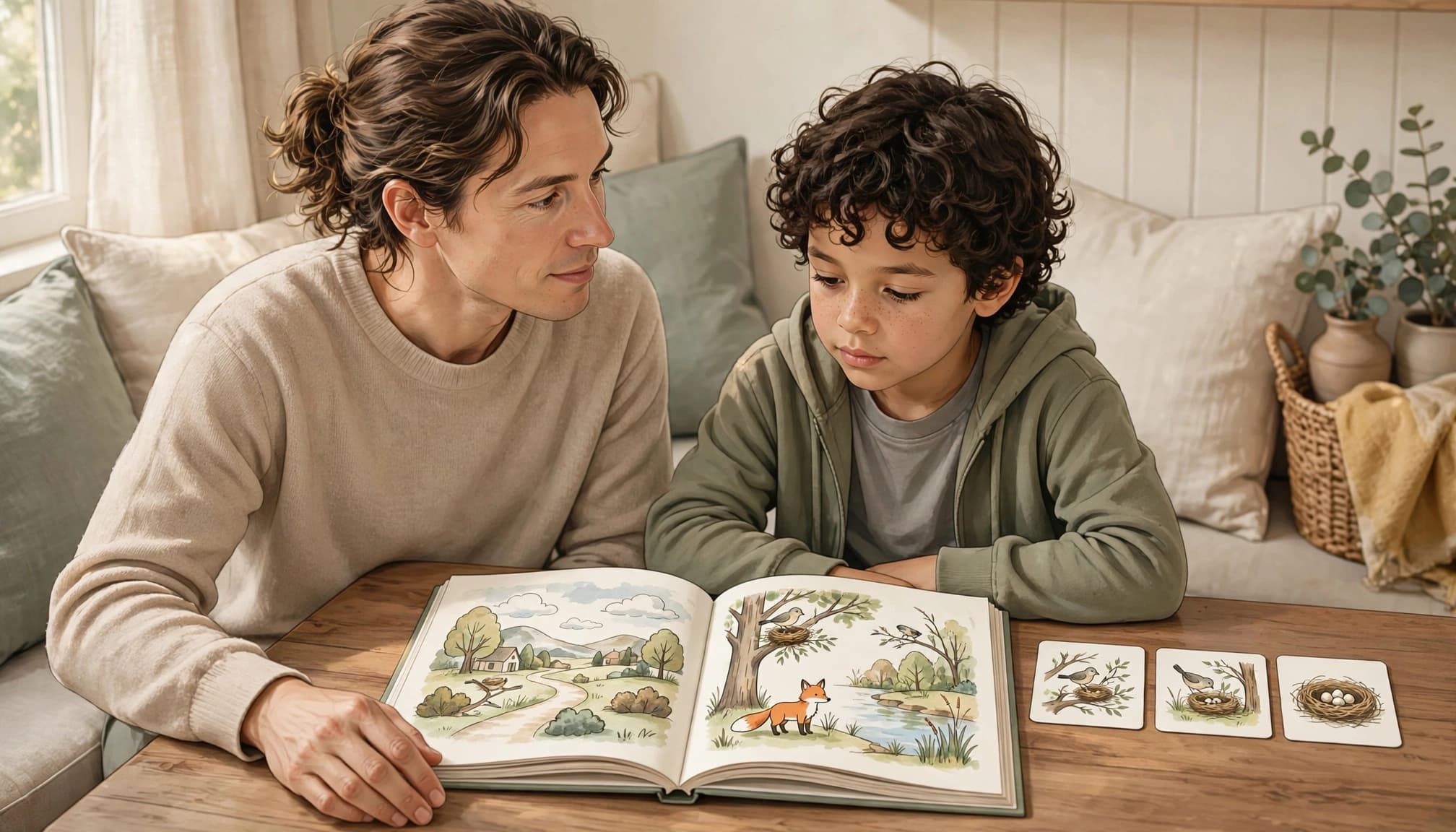
Listening to your child read aloud offers two clues at once: their reading fluency and whether the meaning sticks. A short, familiar passage is enough. You don’t need a stopwatch.
Listen for reading that makes sense
Notice whether your child pauses at punctuation, groups words into phrases, and corrects a word when the sentence sounds wrong. If they stumble, give them a moment to work through the word. Then reread the sentence together so its meaning doesn’t get lost.
After the passage, ask for a brief retelling. Smooth reading without a clear retelling calls for more discussion. A strong retelling paired with slow, effortful reading suggests your child may benefit from more word-reading practice.
Reread with a purpose
Read the same passage together, then invite your child to read it again on another day. Ask a different question on the second reading, such as what a character learned or which detail matters most.
Familiar reading passages leave more attention for meaning. Keep the rereading comfortable, though. If your child knows every line by heart, choose a new passage so you can hear what they understand while reading.
Connect practice to second-grade reading standards
Common Core offers a useful guide for choosing questions without turning home reading into a standards spreadsheet. These literacy standards focus on specific reading skills. Grade 2 literature standard RL.2.1 asks children to answer questions about key details. RL.2.2 asks them to recount stories and determine a central message or lesson.
For nonfiction, the Grade 2 informational-text standards include RI.2.1, which calls for who, what, where, when, why, and how questions about key details. RI.2.2 addresses identifying a text’s main topic and the focus of its paragraphs.
In practice, a story retell and a nonfiction main-topic question work on different skills. Use both across the week to practice the Common Core standards. A child who can discuss a fable’s lesson may still need help finding the main topic of an article about weather.
Choose resources that teach and check the right skill
Free printables are handy when you want to revisit a skill. Before printing, choose reading comprehension worksheets with a passage and questions that match your child’s goal. A cheerful page about sharks won’t help much if your child needs practice retelling a story.
Match the passage to today’s goal
Try fiction or a fable for character questions, events, and lessons. Nonfiction passages work well for main topics, details, and text features. A short poem invites discussion about what a speaker describes and which words create a picture.
For worksheet practice, 2cool4school’s English materials for second grade address comprehension, vocabulary activities, and sentence structure. The wider Grade 2 English curriculum also separates reading strategies, phonics, vocabulary, and writing, so you can work on the skill your child needs.
Step back when a passage is too hard
Grade labels are a starting point, not a reason to push through frustration. If your second grader is still working on common spelling patterns, a passage from a grade 1 curriculum may make comprehension practice more productive. Grade 1 worksheets can offer shorter tasks while you build word-reading confidence.
For homeschool curriculum planning or after-school review, pair a short lesson with a related reading activity. Then check understanding in conversation before handing over a worksheet. The page should confirm learning, not leave your child alone with the confusing part.
Build a small routine you can repeat
Ten focused minutes of reading practice is plenty for one round of extra practice. Stop sooner if your child is tired; the sofa doesn’t need to become a testing center.
- Choose one short passage and name the skill you’ll practice, such as retelling or finding the main topic.
- Read together, helping with difficult words while keeping the meaning of each sentence in view.
- Ask easy and deeper comprehension questions. Let your child show where they found a clue.
- Finish with a quick retell, then note what to practice next time.
On another day, switch the format. Draw a three-part story map, compare and contrast story details, or try a short printable. You can tell a routine is helping when your child starts checking the text without being prompted. If the same question remains hard after several supported tries, share a sample with their teacher and ask what to work on together.
Frequently asked questions
How often should my second grader practice comprehension?
Short sessions several times a week are easier to sustain than one long worksheet session. Read together on other days too. A question about a bedtime story still counts as useful practice, especially when your child explains their answer.
Should I correct every wrong answer right away?
Ask, “Which part helped you decide?” first. Your child may have a reasonable idea but missed a detail, or they may need to reread the question. When necessary, model how you locate a clue. Then let them try a fresh question rather than repeating your answer.
Where can I find free second-grade worksheets?
Start with free printable worksheets for second grade, including English and reading comprehension worksheets. Check each page before using it: choose a passage your child can manage and questions that match the skill you’re teaching. One well-chosen page is more useful than a packet finished on autopilot.
Keep the focus on understanding
When your child finishes a page but can’t explain it, slow down and make the reading smaller. A short passage, a helpful prompt, and a chance to find a clue give you a clearer picture of what they know.
Practice the sticking point, then try another passage. Those little conversations are where comprehension starts to show.