by Chris Stafford | Oct 15, 2026 | Resources
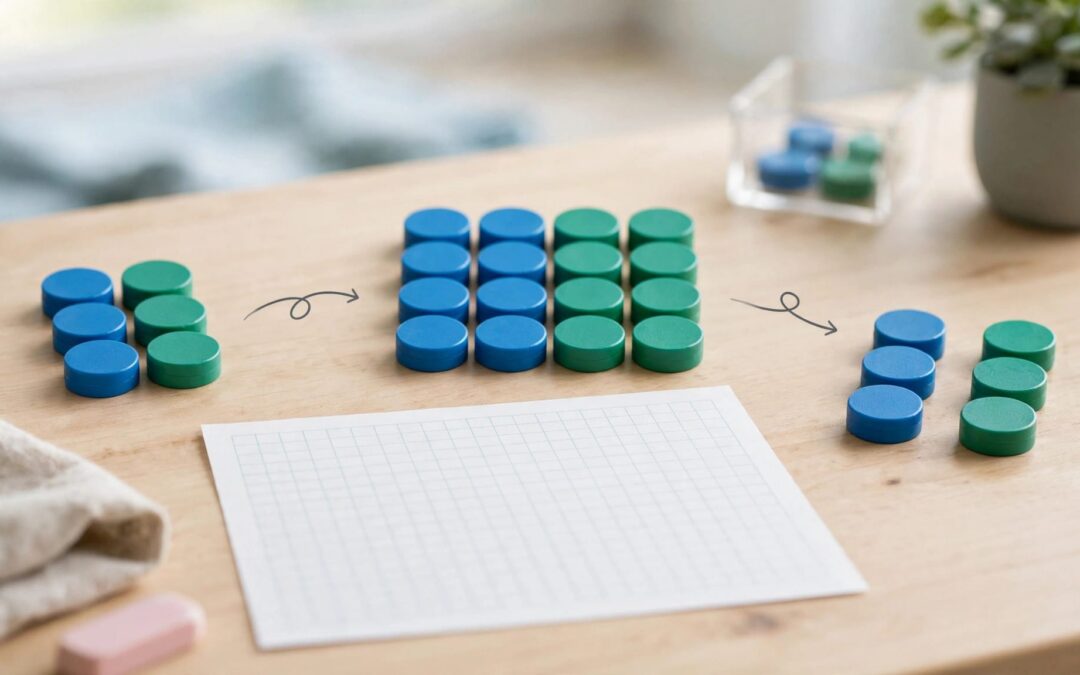
A ratio compares quantities through multiplication, such as two goats for every five sheep. To help your child, start with objects, label each quantity, and show how both numbers change by the same factor. Tables and drawings make the relationship easier to follow...
by Chris Stafford | Oct 14, 2026 | Resources
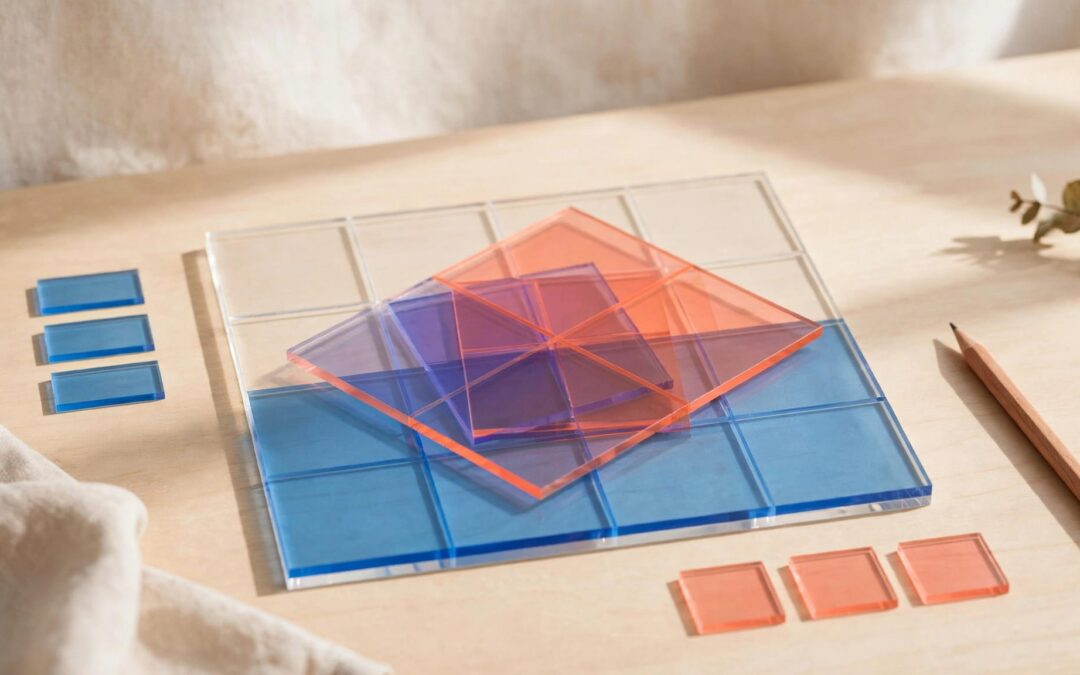
When multiplying fractions, multiply the numerators together and the denominators together, then simplify the answer. For Grade 5 learners, a visual model makes the rule easier to understand because it shows what taking a fraction of another fraction means. If your...

by Chris Stafford | Oct 13, 2026 | Resources
Your child closes the book and announces, “There was a rabbit!” That’s a start, but the rabbit probably did more than exist. Story retelling helps your first grader name key events in order and connect them to the beginning, middle, and end. You can...

by Chris Stafford | Oct 12, 2026 | Resources
A dime is smaller than a nickel but worth twice as much, so your child’s confusion has a perfectly reasonable starting point. Grade 2 money math gets easier when you teach value before speed, then build toward counting mixed coins and finding change. Start with...
by Chris Stafford | Oct 12, 2026 | Resources
A dime is smaller than a nickel but worth twice as much, so your child’s confusion has a perfectly reasonable starting point. Grade 2 money math gets easier when you teach value before speed, then build toward counting mixed coins and finding change. Start with...

by Chris Stafford | Oct 11, 2026 | Resources
Your child can know their multiplication facts and still freeze when a problem stretches across the page. To divide, start with equal groups, follow a repeatable routine, and multiply to check the result. Place value matters most: children need to understand what the...
