by Chris Stafford | Oct 9, 2026 | Resources
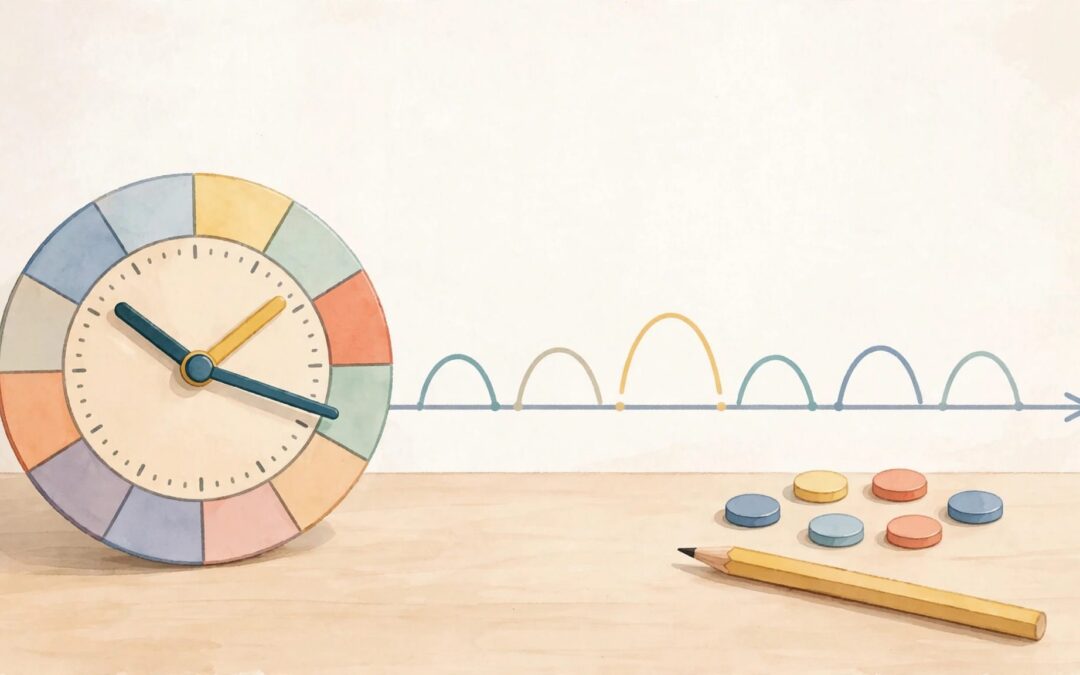
Your child can read 3:45 perfectly, then announce that 4:10 is 65 minutes later. Clock arithmetic has a sneaky catch: an hour contains 60 minutes, not 100. For grade 3 elapsed time, start with a movable clock, then show the passing minutes as jumps along a timeline....
by Chris Stafford | Oct 8, 2026 | Resources
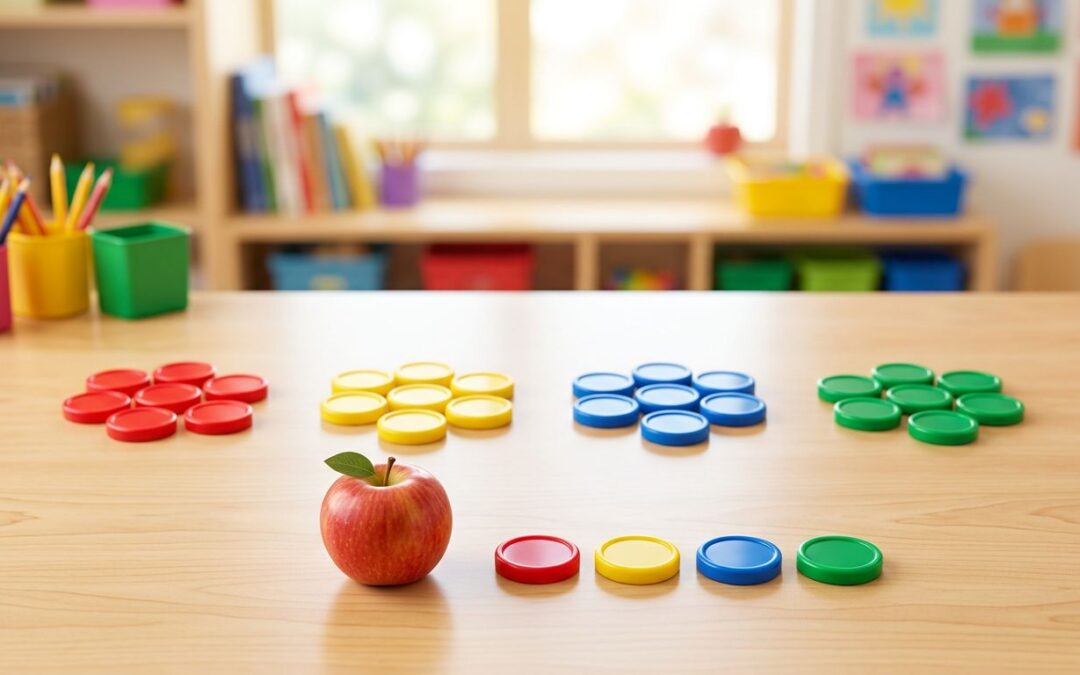
The leftover apple can teach your child more about division with remainders than another page of calculations. With grade 4 division remainders, the story determines what to do with what remains after making equal groups. In elementary school math, your child needs...
by Chris Stafford | Oct 7, 2026 | Resources
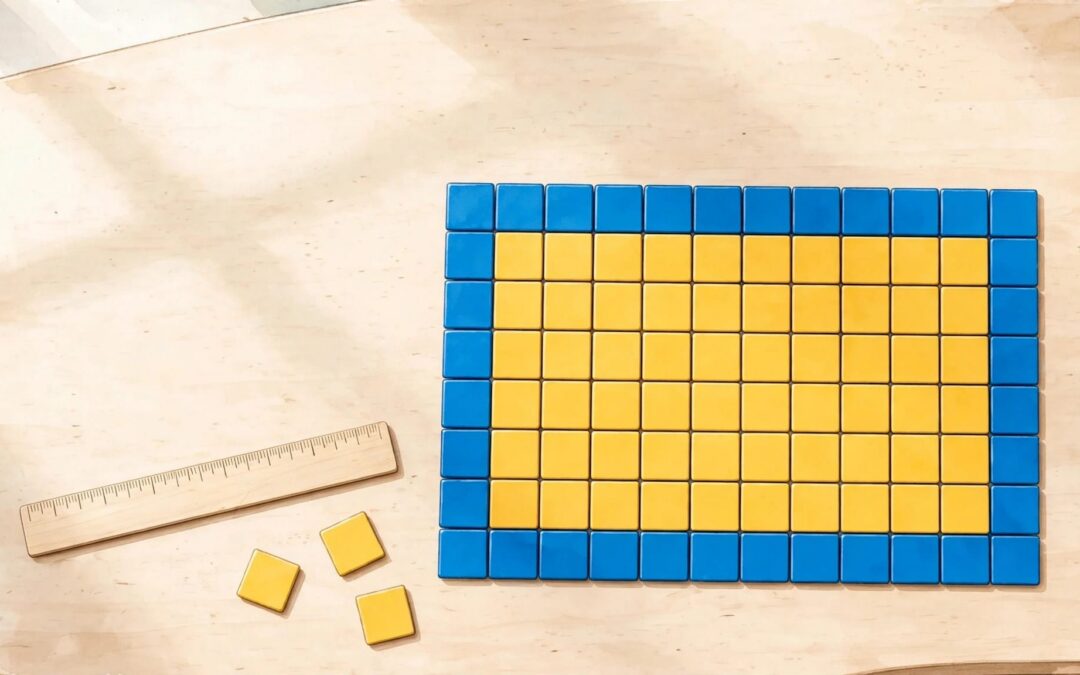
Your child multiplies two numbers, adds them, and hopes the worksheet approves. Grade 3 practice with area and perimeter gets easier when children first understand what they’re measuring: area covers the inside, while perimeter measures the boundary. For...
by Chris Stafford | Oct 6, 2026 | Resources
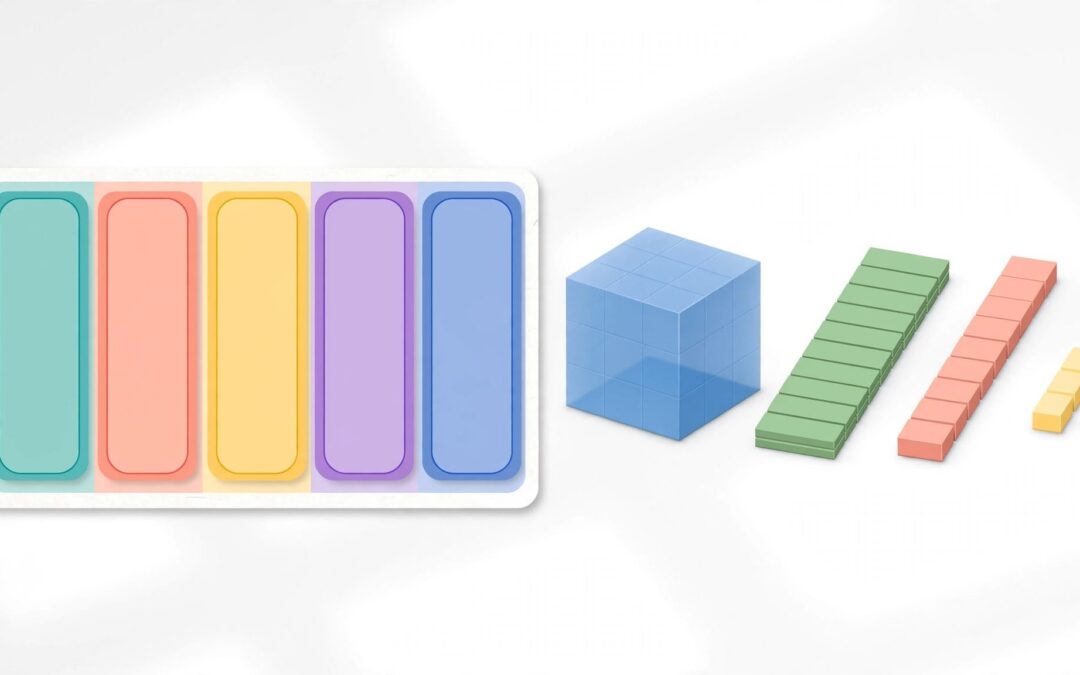
A child can say “point four two” without understanding what the 4 and 2 mean. For 5th grade decimals, the goal is to connect each digit with its place value before writing or comparing numbers. Start with what each digit represents, rather than a list of...
by Chris Stafford | Oct 5, 2026 | Resources
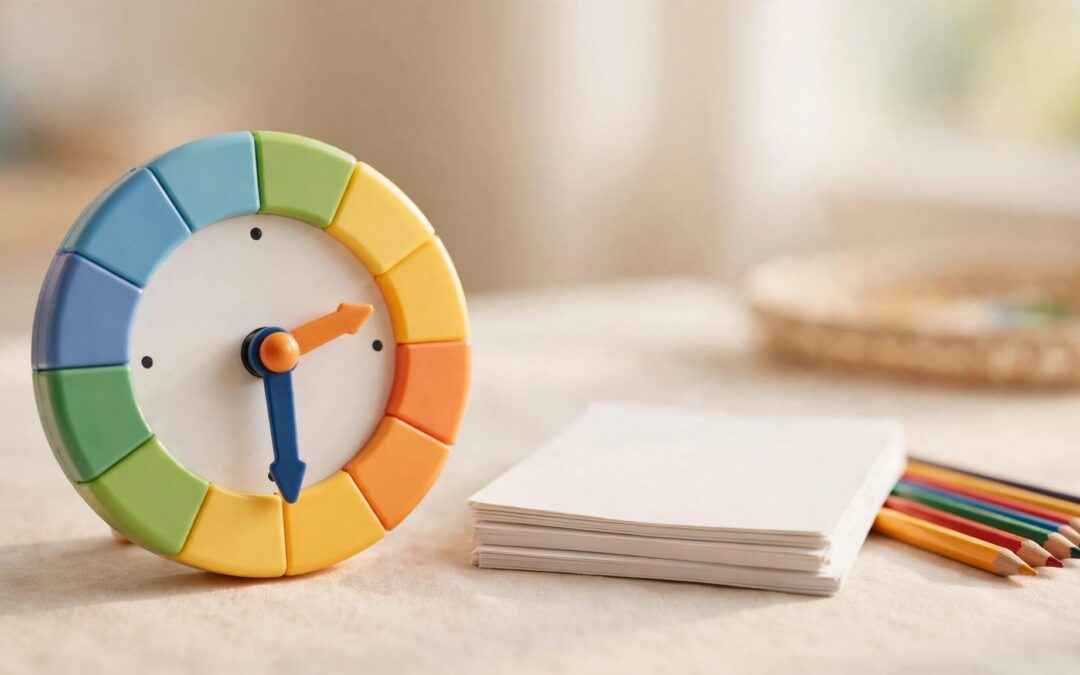
A clock has only two hands, yet it can give a first grader plenty to untangle. Start grade 1 telling time practice with whole hours, then introduce half-hours using a clock your child can move. The goal is understanding before speed: your child should explain the...
