by Chris Stafford | Sep 28, 2026 | Resources
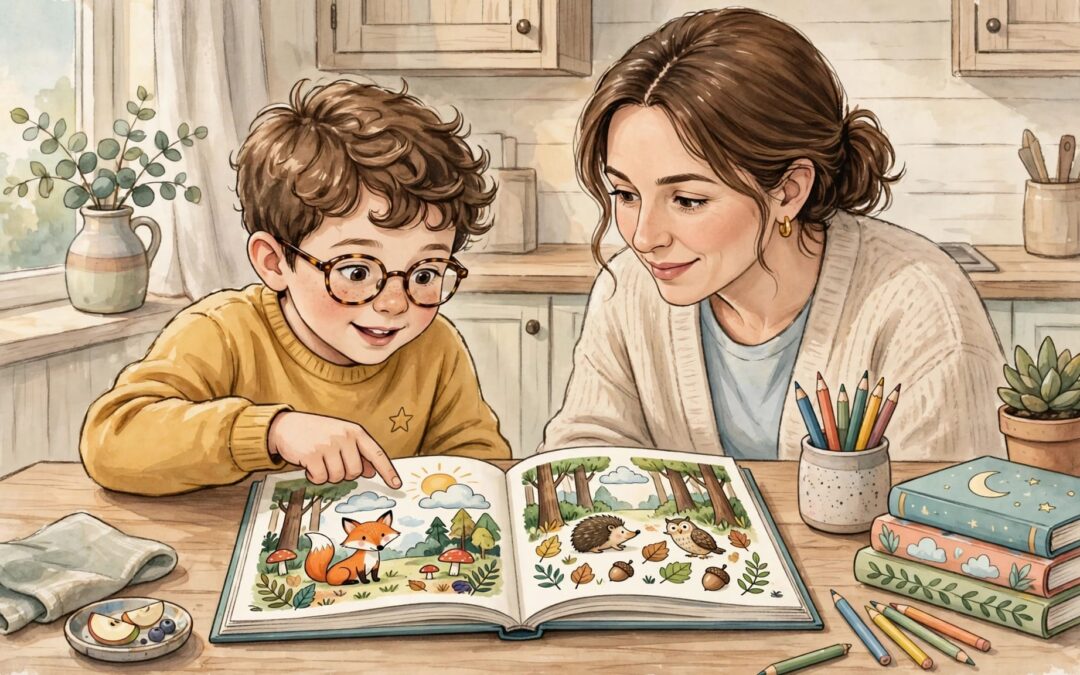
Your child reads the whole page, then can’t tell you what happened. That gap can make grade 2 reading comprehension practice feel like a guessing game for both of you. The best place to start is a short passage and one clear question. Listen to how your child...
by Chris Stafford | Sep 27, 2026 | Resources
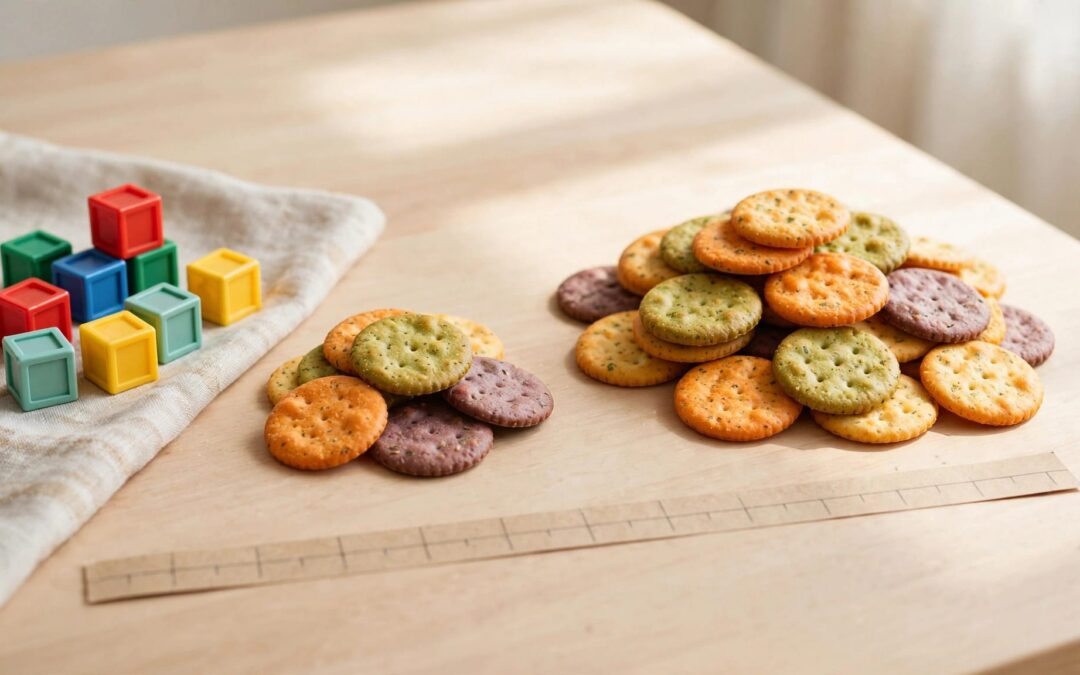
Two piles of crackers can teach more about comparing numbers than a page of symbols. Concrete activities let your child see the difference before asking them to write it. If your child is in first grade and mixes up greater than and less than, put the pencil down for...
by Chris Stafford | Sep 26, 2026 | Resources
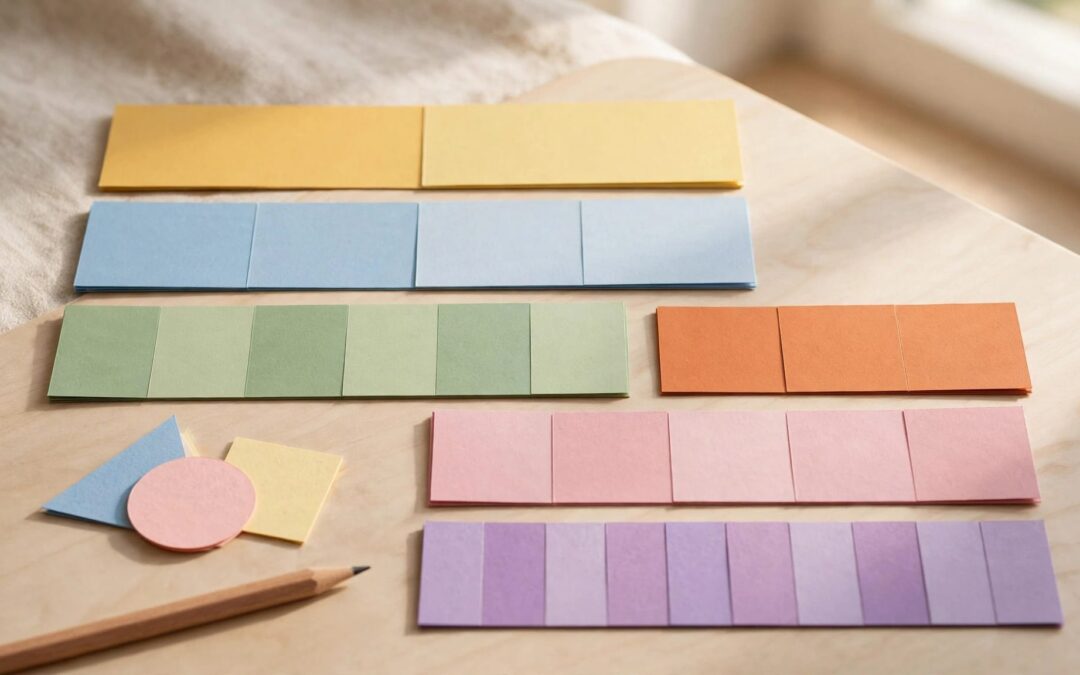
A fourth grader can answer “What is one-half?” and still freeze when asked whether 3/8 or 2/5 is larger. If grade 4 fractions feel like a sudden jump, you’re seeing a real shift: children must explain why fractions are equal, compare different-sized...

by Chris Stafford | Sep 25, 2026 | Resources
A child can add 27 and 15 without trouble, then freeze when those numbers appear in a story about stickers. If the story is the sticking point, more arithmetic drills may not help. These problems get easier when your child can show what happened before choosing an...
by Chris Stafford | Sep 24, 2026 | Resources
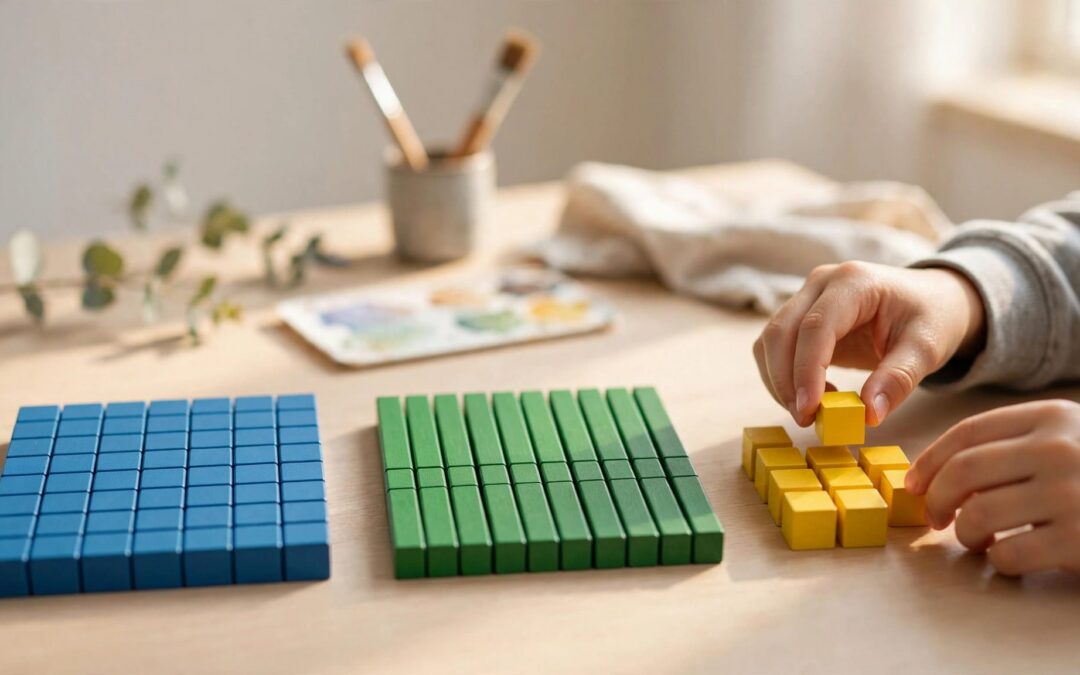
A child can read 407 aloud and still insist that the zero means “nothing is there.” That’s where grade 2 place value gets interesting: your child needs to see what each digit is worth, not just name the number. You don’t need a box of special...
by Chris Stafford | Sep 23, 2026 | Resources
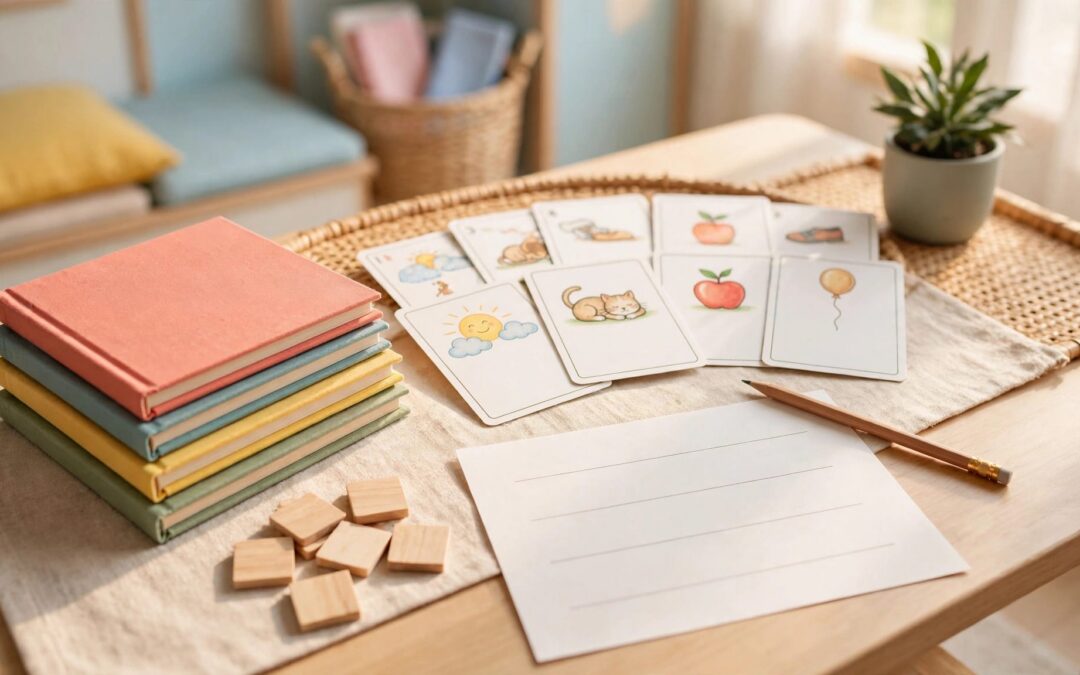
A first grader can read cat without blinking, then freeze at said on the next page. If grade 1 sight words feel like an endless stack of flashcards, you don’t need a taller stack. Your child needs a small set of useful words, a way to study their sounds and...
