by Chris Stafford | Oct 4, 2026 | Resources
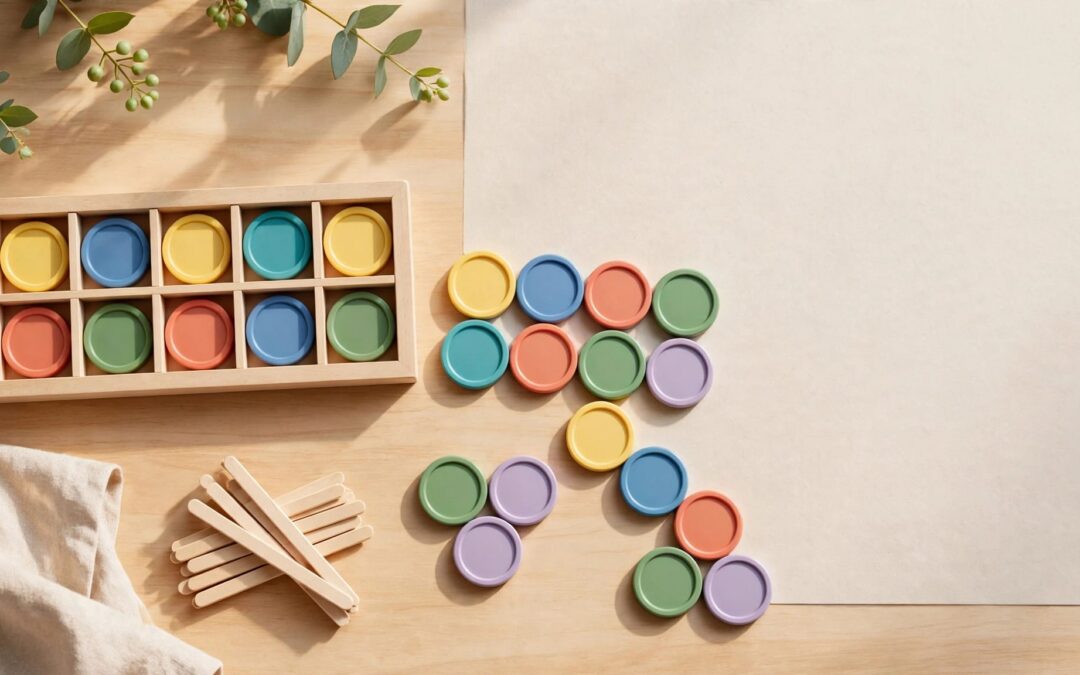
If your child solves 13 – 7 by recounting thirteen counters, keep the counters and change the prompt. Subtraction within 20 gets easier when children recognize groups, use ten as a stepping stone, and connect subtraction to familiar addition facts. The goal is...
by Chris Stafford | Oct 3, 2026 | Resources
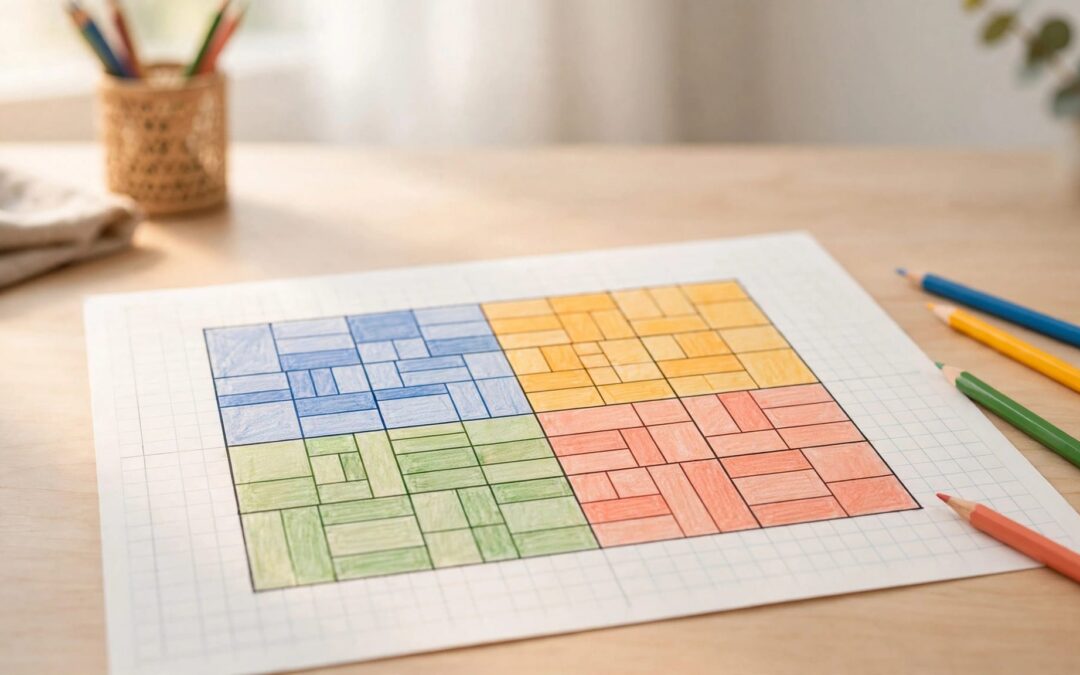
If your child can answer 6 × 4 but freezes at 23 × 14, an area model gives them a starting point. Area model multiplication breaks multi-digit numbers into smaller calculations your child can see, explain, and check. The rectangle makes place value visible, giving...

by Chris Stafford | Oct 2, 2026 | Resources
Your child reaches the end of a sentence, but every word has required a small negotiation. For children who read slowly, practice should begin with accurate word reading, then supported rereading and expression. Expression supports meaning, not faster reading. You can...
by Chris Stafford | Oct 1, 2026 | Resources
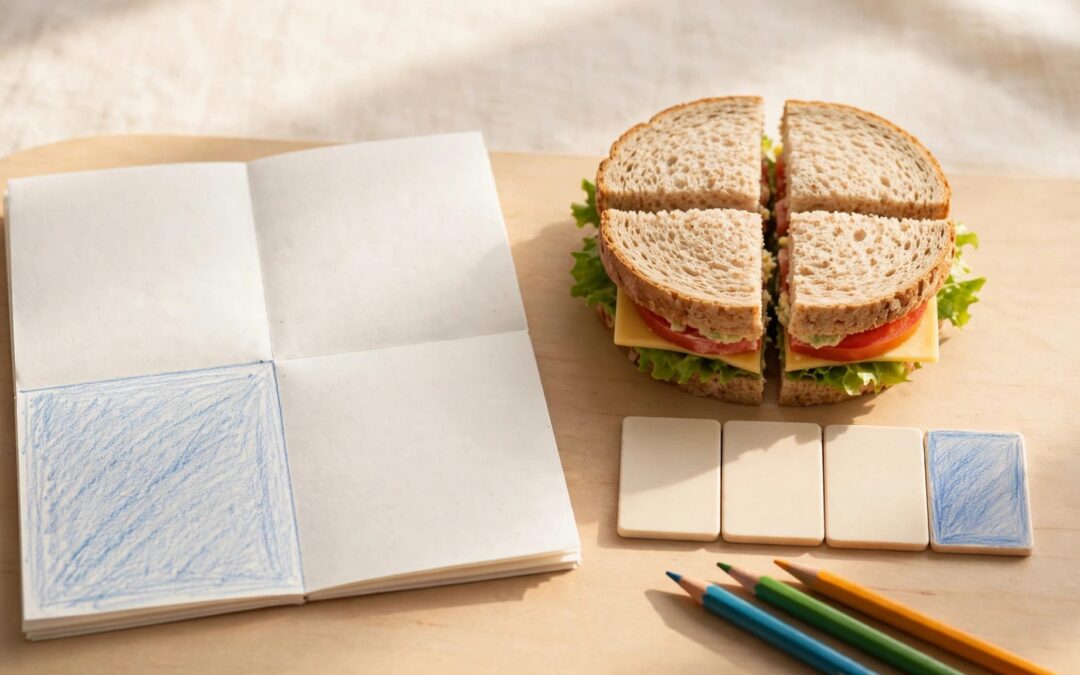
Your child can count four pieces of a sandwich and still miss why one piece isn’t automatically one-fourth. Grade 3 fractions begin with understanding parts of a whole: each piece must contain the same amount. You can teach that idea with folded paper, simple...
by Chris Stafford | Sep 30, 2026 | Resources
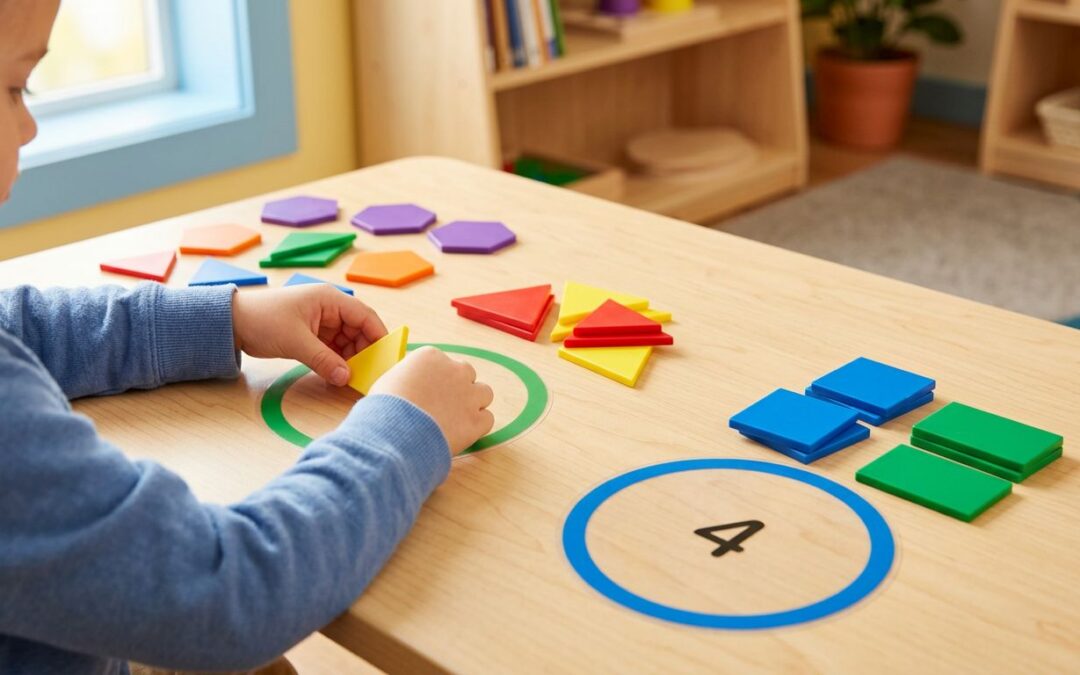
Your child spots a triangle instantly, until you turn it upside down and the triangle apparently disappears. In 2D shapes grade 2 lessons, children learn to identify figures by observable features, not by their familiar position or appearance. The goal is describing...
by Chris Stafford | Sep 29, 2026 | Resources
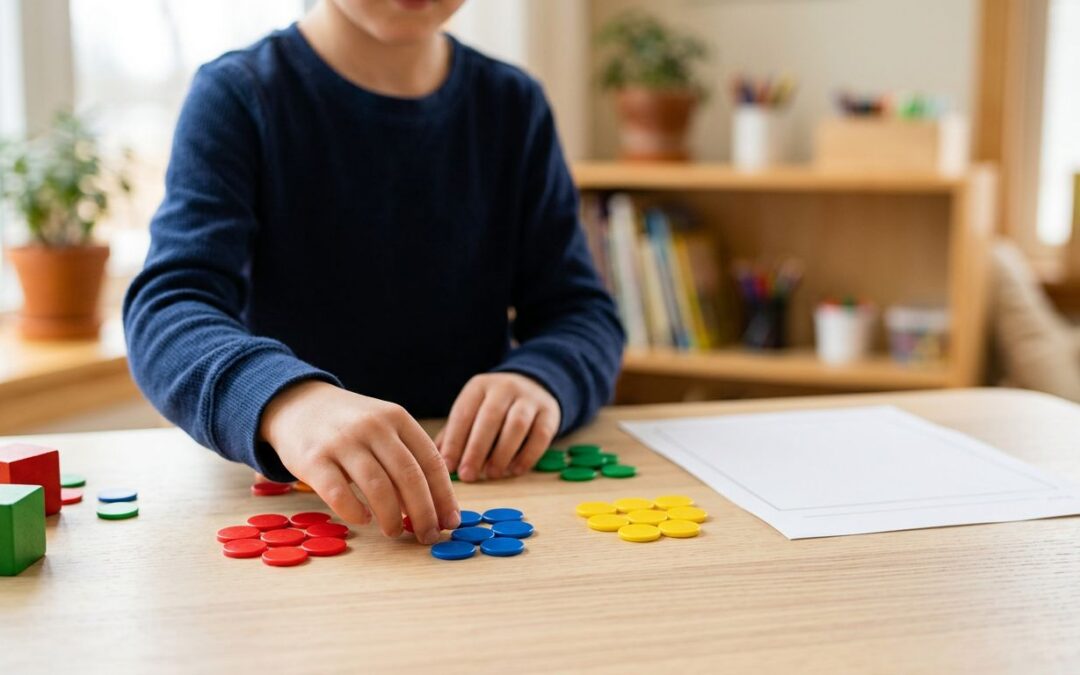
A child can fill in a multiplication worksheet and still freeze when asked what 6 × 4 means. If grade 3 multiplication facts aren’t sticking, another page of mixed problems may be the last thing they need. Start with equal groups your child can see, then...
